
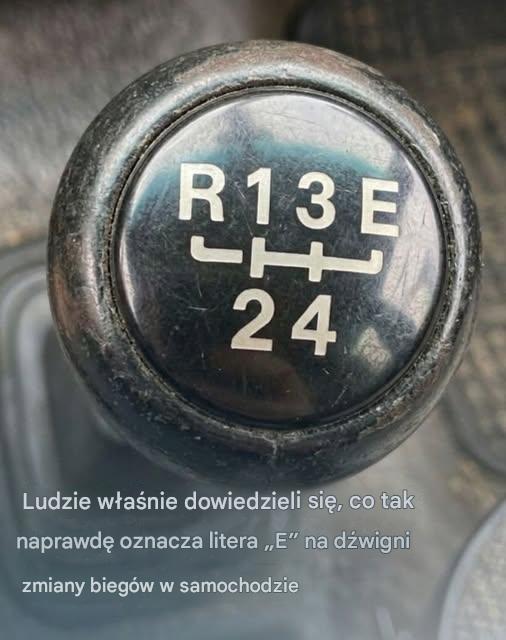
When activated, the system could adjust how the engine and transmission behaved. In some vehicles, it helped lower engine speed, soften acceleration, or change shift timing so the car used less fuel. Drivers often used this feature on highways or during calm, consistent driving when performance was less important than saving gas.
The “E” setting reflected an earlier approach to fuel efficiency. Instead of relying entirely on advanced computer systems, drivers had a visible option they could select when they wanted the car to operate more economically.
Today, dedicated “E” gear markings are much less common. Modern vehicles usually handle fuel-saving adjustments automatically through electronic control systems, eco modes, hybrid technology, start-stop systems, and advanced transmission programming.
Still, the old “E” symbol remains an interesting reminder of how automotive design has evolved.
What once required a simple manual setting is now managed by sophisticated systems working quietly in the background — all with the same goal: helping drivers use fuel more efficiently and make everyday driving more practical.
